

I’ve been on a tough journey of weight loss. My name is Juliette Laurent. You can find me at www.JulietteFashions.com for plus-size women’s clothes.
Studies say both surgery and non-surgery can help with weight loss goals. I’ll talk about my own story and why both options are important for those fighting obesity.
Key Takeaways
- Understanding the differences between surgical and non-surgical weight loss methods
- Exploring the effectiveness of each approach
- Considering personal experiences and goals when choosing a weight loss method
- Recognizing the importance of professional guidance in weight loss journeys
- Evaluating the role of lifestyle changes in successful weight loss
Understanding My Weight-Loss Journey
I began by looking at my choices, like bariatric surgery and other treatments. The Mayo Clinic says surgery changes your digestive system. It helps you lose weight and manage health problems linked to being overweight.
Why I Considered Weight-Loss Surgery
Choosing weight-loss surgery was a big decision. I had to think about my health and the surgery’s benefits. Learning about weight loss treatments made me see surgery as an option.
I thought about my health history and weight problems. I also looked at different surgeries, like gastric bypass and sleeve gastrectomy.
Exploring Non-Surgical Options
Before deciding, I checked out non-surgical ways to lose weight. I looked at diet changes, exercise, and therapy. I wanted to know all my options.
I visited www.JulietteFashions.com for tips on staying healthy after losing weight. I found non-surgical methods need effort and time but can work.
Types of Weight-Loss Surgery
There are many kinds of weight-loss surgery. Each has its own good points and things to think about. I’ve looked into these options and found it’s key to know what’s out there for treating obesity.
Gastric Bypass Explained
Gastric bypass surgery is very common and works well. It makes a small pouch from the stomach and connects it to the small intestine. This makes you eat less and helps you lose a lot of weight.
Benefits of Gastric Bypass:
- Significant weight loss
- Improvement in obesity-related health conditions
- Reduced hunger due to hormonal changes
Sleeve Gastrectomy Insights
Sleeve gastrectomy removes a big part of the stomach. This leaves a narrow stomach. It helps you eat less and lose weight. It’s different from gastric bypass because it doesn’t change the intestines.
Key aspects of Sleeve Gastrectomy:
- Reduced stomach size
- Hormonal changes that decrease hunger
- Less complex compared to gastric bypass
Other Surgical Options
There are other surgeries for weight loss too. These include adjustable gastric banding and biliopancreatic diversion with duodenal switch. Each has its own benefits and risks.
| Surgical Procedure | Weight Loss Mechanism | Key Benefits |
|---|---|---|
| Gastric Bypass | Reduces stomach size and alters digestive path | Significant weight loss, improves obesity-related conditions |
| Sleeve Gastrectomy | Reduces stomach size | Less complex, reduces hunger |
| Adjustable Gastric Banding | Restricts stomach capacity | Adjustable, less invasive |
It’s important to know about all these surgeries. It’s not just about the surgery. It’s also about changing your life and getting support.
Non-Surgical Weight-Loss Strategies
I found many ways to lose weight without surgery. I changed my diet, started exercising, and used therapy. These steps helped me reach my weight-loss goals.
Dietary Changes That Worked for Me
Making sustainable dietary changes was key for me. I ate more whole foods and less processed ones. This helped me lose a lot of weight.
Some changes I made were:
- Eating more fruits and veggies
- Choosing whole grains over refined ones
- Drinking less sugary drinks and eating less sugary foods
Exercise Routines I Embraced
Exercise was also important for me. I mixed cardio and strength training. This helped me lose weight and keep muscle.
Some exercises I did were:
- Walking and jogging fast
- Swimming and cycling
- Using weights for strength training
Behavioral Therapy Benefits
Behavioral therapy was a big help for me. It helped me understand my eating habits better. This led to healthier habits and a better relationship with food.
Benefits I got from therapy were:
- Better self-awareness and control
- More motivation and confidence
- Better ways to handle stress and emotions
Using these non-surgical methods, I lost a lot of weight. I also got healthier and felt better overall. These strategies helped me keep the weight off for good.
Pros and Cons of Weight-Loss Surgery
When I started my weight-loss journey, I had to think about surgery’s good and bad sides. Bariatric surgery is a big choice that can change your health and life a lot. It’s key to know both sides before deciding.
Major Benefits I Experienced
One big plus of weight-loss surgery is losing a lot of weight. The Mayo Clinic says it can lead to big weight loss. This can make your health better and lower the chance of obesity problems.
I felt a big change in my health, like better blood pressure and more energy. It also made moving around easier.
But there’s more to it than just feeling better physically. Many people, including me, feel happier and less depressed. The emotional boost from losing weight can change your life. It lets you do things you couldn’t before because of your weight.
Potential Risks to Consider
Even with all the good, there are risks with weight-loss surgery. There’s a chance of problems like infections or bleeding. It can also cause nutritional problems if you don’t eat right or take supplements.
There are also other possible issues, like bowel problems or hernias. Knowing these risks helped me get ready for surgery and take steps to avoid them.
Recovery Time and Its Impact
Recovering from weight-loss surgery takes a lot of time, often weeks. I had to plan well for my recovery, making sure I had the right support and food.
The recovery time affects more than just right after surgery. It means making big changes in your life, like eating differently and exercising. These changes are hard but help keep the weight off and improve your health.
In short, choosing weight-loss surgery is a big decision with both good and bad sides. Knowing the benefits, risks, and what recovery is like helps make a smart choice. As someone who’s been through it, I know how important careful thinking and planning are.
Pros and Cons of Non-Surgical Options
When I thought about non-surgical weight loss, I saw both good and bad sides. Options like diet changes, exercise, and therapy let people lose weight without surgery. They give many choices for those who don’t want surgery.
Long-Term Effectiveness Challenges
Keeping weight off long-term is hard with non-surgical methods. You can lose weight at first with diet and exercise. But keeping it off needs constant effort. Studies show that many people gain back weight if they don’t keep up with healthy habits.
Here’s a table showing how much weight people keep off with different methods:
| Method | Average Weight Loss at 6 Months | Average Weight Loss at 1 Year | Average Weight Loss at 2 Years |
|---|---|---|---|
| Dietary Changes | 10% | 7% | 5% |
| Exercise Routines | 8% | 5% | 3% |
| Behavioral Therapy | 12% | 9% | 6% |
Flexibility and Lifestyle Integration
Non-surgical weight loss is flexible. It lets you slowly add healthy habits to your life. This makes it easier to keep up with healthy habits. Starting small, like with diet changes or short workouts, can help you stay on track.
Support Systems Available
Having support is key in non-surgical weight loss. Help from doctors, groups, and online forums can really help. They give you motivation, advice, and someone to report to. This helps you face weight loss challenges.
In short, non-surgical weight loss has its ups and downs. It’s hard to keep weight off, but it’s flexible and has lots of support. Knowing these points helps you decide on your weight loss path.
My Personal Experience with Weight-Loss Surgery
I didn’t take weight-loss surgery lightly. It was a big decision after trying many other ways to lose weight.
The Decision-Making Process
Choosing surgery wasn’t quick. I did lots of research and talked to doctors. I weighed the good and bad of surgical vs non-surgical weight loss methods.
“The biggest risk is not taking any risk…” – Mark Zuckerberg
This quote made me think. I saw surgery as a risk worth taking for a healthier life.
Preparing for the Procedure
After deciding on surgery, I started preparing. I had tests, changed my diet, and learned about pre-operative and post-operative care.
- Pre-operative dietary changes to make my liver smaller and improve surgery access.
- Mental health checks to see if I was ready for life changes after surgery.
- Planning for care and recovery at home after surgery.
Life After Surgery: What to Expect
Life after surgery was a big change. The first few weeks were key, with a strict diet and slow start to moving around.
| Post-Surgery Period | Dietary Recommendations | Physical Activity |
|---|---|---|
| 0-2 weeks | Liquid diet | Minimal, gentle walking |
| 2-6 weeks | Pureed foods | Gradual increase in walking |
| 6 weeks+ | Solid foods, balanced diet | Regular exercise, strength training |
The journey was tough, but help from doctors, family, and friends was key.
My Non-Surgical Success Stories
My journey with non-surgical weight loss was amazing. I changed my diet and started exercising. This helped me lose a lot of weight and feel better.
Transformative Diet Changes
I started eating a balanced diet full of good stuff. I ate lots of fruits, veggies, and lean meats.
- I ate more foods high in fiber.
- I cut down on processed foods.
- I drank lots of water every day.
Favorite Workout Plans
Exercise was key for me. I mixed cardio exercises and strength training. This burned calories and built muscle.
- I went for brisk walks and jogs.
- I swam and cycled too.
- I did yoga and Pilates for flexibility.
Community Support and Engagement
Having friends to support me was huge. I joined online forums and local groups. There, I shared my story and learned from others.
In the end, my non-surgical weight loss was a success. It was because of healthy eating, regular exercise, and support from others.
When to Choose Surgery Over Non-Surgical Options
Deciding between surgery and non-surgical weight-loss options is important. You need to look at your own situation closely. There are several things to think about when making this choice.
Key Indicators for Surgical Intervention
Some health signs might mean surgery is better for losing weight. For example, if your BMI is 40 or more. Or if your BMI is 35 and you have health problems like diabetes or high blood pressure. Surgical weight loss procedures can really help in these cases.
Personal Health Considerations
Your health is a big part of this decision. Think about your overall health, past weight-loss tries, and any health issues. Some people might find non-surgical ways don’t work or are not safe for them. That’s when surgical options might be a better choice.
Financial Factors to Weigh
Think about the money side of things too. Surgery might cost more at first. But it could save money in the long run. It might help you avoid spending a lot on weight loss and health care later on.
Choosing between surgery and non-surgical methods should be a careful thought. Talk to doctors and think about what’s best for you. By picking the right weight loss method, you can help your health for a long time.
Consultation Insights: Surgery vs. Non-Surgical
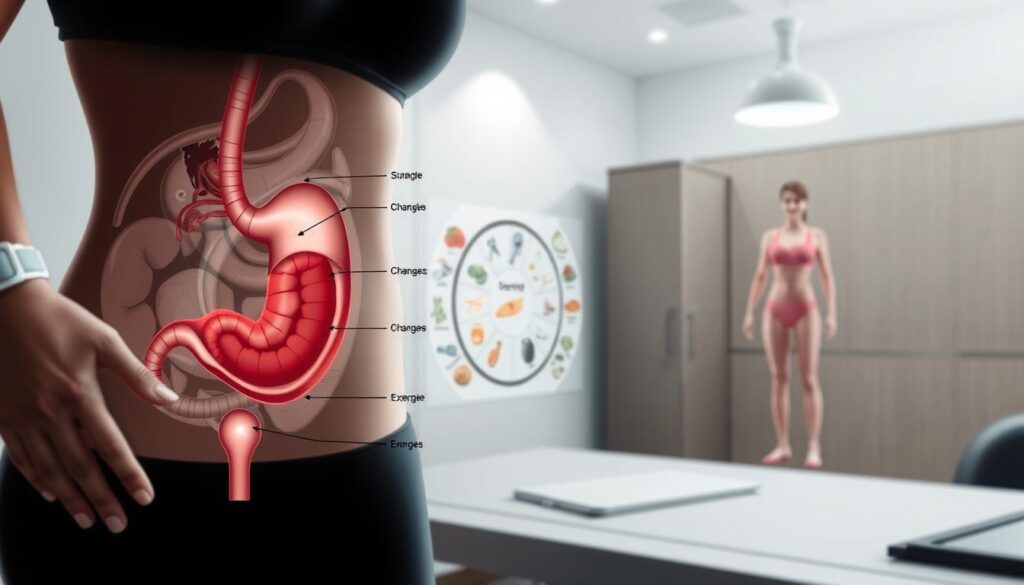
Talking to doctors helped me choose between surgery and non-surgery for weight loss. I learned about the different options and what they mean.
Talking to My Healthcare Providers
Doctors were very important in my decision. They explained the minimally invasive weight loss procedures and surgery. We talked about the good and bad of each.
“Choosing between surgery and non-surgery depends on your life and health goals,” a doctor said.
Researching Options Thoroughly
I also did a lot of research. I looked at the latest studies on surgical vs non-surgical weight loss. I wanted to know how well they work and their long-term effects.
- Understanding the procedure and its implications
- Researching the qualifications and experience of the healthcare provider
- Considering the support systems available for each option
Importance of Getting a Second Opinion
Getting a second opinion was very important. It gave me more information and made me sure of my choice. It helped me make the best decision for my health.
Going through all the weight loss options taught me a lot. I learned that having good support, doing research, and listening to doctors is key.
Finding Support: Communities and Resources
As I went on my weight-loss journey, I learned how key a support system is. Whether I looked into weight-loss surgery or non-surgical ways, finding others like me was a big help.
Online Forums and Support Groups
Online forums and groups gave me a community and someone to answer to. I got great tips and advice from people who had lost weight. Websites like The Obesity Society showed me different ways to lose weight and connected me with others who wanted the same.
Local Resources and Guidance
But I also found help in my area. Nutrition counseling and fitness classes were big helps. They gave me the info and support I needed to keep going.
Connecting with Others
Talking to others on similar journeys was super motivating. We shared our stories and learned from each other. For fashion tips, I often check out JulietteFashions.com for cool and comfy clothes.