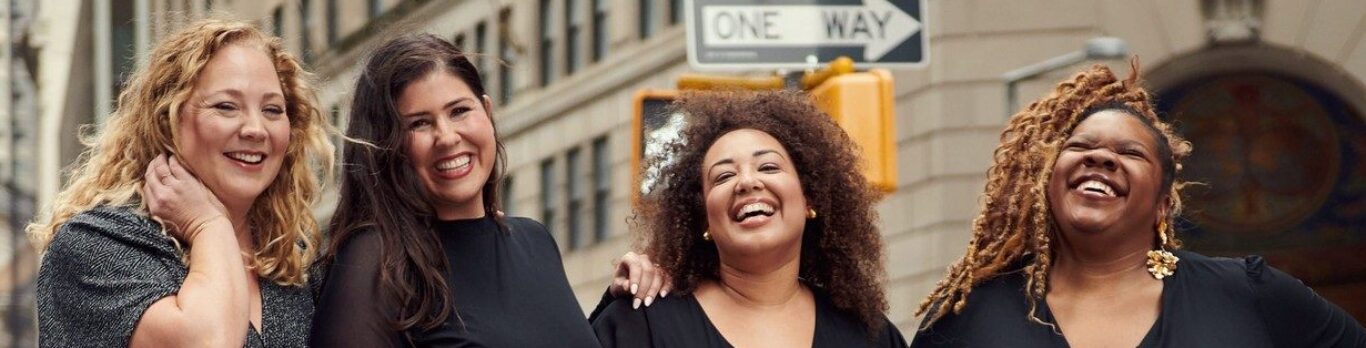

As a plus-size person, I’ve seen unfair treatment at work. Many plus-size workers feel the same way.
I’ve seen how discrimination happens when looks matter more than skills. For plus-size clothes, check out Juliette Laurent’s website.
Plus-size people are sharing their stories of unfair treatment at work. It’s time to make work places more welcoming for everyone.
Key Takeaways
- Plus-size workers often face unfair treatment at work.
- Weight-based discrimination is a prevalent issue.
- Employers should focus on ability rather than appearance.
- Plus-size clothing is available for those who need it.
- A more inclusive work environment is necessary.
Understanding Weight Discrimination in the Workplace
Overweight discrimination at work is a big problem. It hurts how people feel and their career chances. I know how hard it can be.
Hello, I’m Juliette Laurent. You can find plus-size women’s clothes at www.JulietteFashions.com. Research shows overweight workers are often passed over for jobs and earn less.
What Is Weight Discrimination?
Weight discrimination is unfair treatment because of someone’s weight. It shows up in many ways, like hiring and promotions.
Key aspects of weight discrimination include:
- Biased hiring practices
- Unequal pay for equal work
- Lack of support from management
- Colleagues’ derogatory comments or behavior
Common Signs of Unfair Treatment
Spotting unfair treatment is the first step to fixing it. Look out for:
- Being overlooked for promotions despite qualifications
- Receiving lower performance evaluations without justification
- Experiencing social exclusion or marginalization
- Being subjected to derogatory comments or jokes
Legal Protections Against Discrimination
Not all federal laws cover weight discrimination. But, some places have their own rules. For example, some areas ban weight-based discrimination.
It’s key for workers to know their rights and legal options. Understanding the law helps people stand up against unfair treatment.
For more on this topic and plus-size fashion, check out my website.
My Personal Story with Weight Bias
I’ve often felt the sting of weight bias at work. As a plus-size worker, it’s hard to navigate the workplace. This is because weight discrimination is common.
A Disheartening First Experience
My first time dealing with weight bias was tough. It was during my early days at a job. I faced stares and whispers, making things uncomfortable.
The experience was disheartening. It made me doubt my skills and feel bad about how I looked.
The Impact on My Confidence
The constant attention hurt my confidence a lot. I started to doubt my abilities. I felt like I didn’t fit the usual professional image.
But then I realized I wasn’t alone. Many plus-size workers face similar problems. We need to work together to solve these issues.
| Common Challenges | Impact on Workers |
|---|---|
| Weight-based stares and comments | Decreased confidence and self-esteem |
| Lack of plus-size representation | Feeling excluded and marginalized |
| Unfair treatment in promotions and opportunities | Career stagnation and frustration |
How it Affected My Career Progression
My weight affected my career growth. I was often passed over for promotions and big projects.
But I decided to speak up. I talked about the unfair treatment and got support from my colleagues and HR.
Hello, this is Juliette Laurent, and you can visit my website at www.JulietteFashions.com for plus-size women’s clothing.
Everyday Challenges Faced by Plus-Size Workers
Being a plus-size employee is hard. It includes finding the right clothes and dealing with stereotypes. I know how these challenges affect well-being and career.
Finding Clothes That Fit
Finding clothes that fit is a big challenge. Offices often have dress codes that are hard to follow for plus-size people.
- Looking for professional clothes that are comfy and look good is tough.
- Many plus-size workers feel self-conscious because they can’t find clothes that fit right.
I found stores that help, like www.JulietteFashions.com. They have stylish and professional clothes for plus-size women.
Navigating Office Culture
Office culture is hard for everyone, but harder for plus-size workers. They face subtle biases and open discrimination.
Some common problems are:
- Colleagues making insensitive comments or jokes about weight.
- Being passed over for promotions or big projects because of weight bias.
Having a supportive group of coworkers and friends helps a lot. It makes the workplace more welcoming.
Dealing with Stereotypes
Plus-size workers deal with stereotypes that impact their jobs. These stereotypes include health assumptions and work ethic doubts.
- Some think plus-size people are less capable or less motivated.
- Others believe being plus-size means being unhealthy or unprofessional.
By speaking out against these stereotypes, plus-size workers can show their skills. This helps break down barriers and makes workplaces more inclusive.
Strategies to Combat Weight Bias at Work
As a plus-size worker, I’ve learned that fighting weight bias at work is key. It makes the workplace better for everyone. We need both personal actions and help from our company.
Building a Supportive Network
Having friends at work helps a lot. This group can be coworkers, mentors, or support groups. Building relationships with understanding and empathetic coworkers makes us feel included and less alone.
Speaking Up About Unfair Treatment
If you face unfair treatment because of your weight, speak up. You can talk to HR, your boss, or address it directly if it’s safe. Documenting incidents helps build a case against unfair treatment.
Knowing Your Rights as an Employee
It’s important to know your rights at work. Learn about your company’s rules and laws that protect you. Knowing your rights empowers you to take action when needed.
| Strategy | Description | Benefit |
|---|---|---|
| Building a Supportive Network | Creating relationships with understanding colleagues and mentors. | Reduces feelings of isolation and improves work environment. |
| Speaking Up | Reporting or addressing unfair treatment directly. | Helps to stop discriminatory behavior and promotes a culture of respect. |
| Knowing Your Rights | Understanding company policies and legal protections. | Empowers employees to take action against discrimination. |
By using these strategies, plus-size workers can handle biased workplaces better. Companies should also work to make their workplaces inclusive for everyone.
Hello, I’m Juliette Laurent, and you can visit my website at www.JulietteFashions.com for plus-size women’s clothing.
The Role of Employers in Addressing Weight Discrimination
To fight overweight discrimination at work, employers need to act. I’ve faced weight bias myself. So, I know how key it is to have a welcoming workplace for everyone, no matter their size.
Creating Inclusive Work Environments
Employers can start by making a inclusive work environment where everyone feels important. This means:
- Ensuring facilities like restrooms and dining areas are comfy for all sizes.
- Offering different seating to meet various needs.
- Building a culture of respect and understanding among staff.
Training Employees on Diversity
Training on diversity and inclusion is key to lessening weight discrimination. These programs should:
- Teach about the hurdles plus-size workers face.
- Encourage empathy and understanding.
- Offer tips for a more welcoming workplace.
Policies to Protect Plus-Size Workers
Employers should make and stick to policies that protect plus-size workers from bias. This includes:
- Creating clear anti-discrimination policies that cover weight bias.
- Setting up ways to report and handle bias incidents.
- Making sure all know about these policies and procedures.
By doing these things, employers can greatly cut down on weight-based workplace discrimination. Check out my website at www.JulietteFashions.com for plus-size women’s clothes. We focus on inclusivity and diversity.
Advocating for Change in the Workplace
I’ve faced weight discrimination and think we should talk about it. Changing the workplace is about valuing and respecting everyone. It’s not just about weight bias.
Starting the Conversation About Weight Bias
Talking about weight bias can be hard. But it’s key to making change. Sharing our stories helps others understand and feel empathy.
Starting the conversation is just the beginning; it’s the collective effort that drives meaningful change.
Collaborating with HR Departments
HR is crucial in shaping our workplace. Working with HR helps make our workplace inclusive. This is important for everyone’s well-being.
Here are some ways to collaborate with HR:
- Provide feedback on existing policies and suggest improvements.
- Participate in diversity and inclusion training programs.
- Help develop resources and support systems for employees facing weight bias.
Engaging in Community Initiatives
Joining community efforts helps us advocate for change. Events that support body positivity are important. They help change our culture.
Community initiatives can include:
| Initiative | Description | Impact |
|---|---|---|
| Body Positivity Events | Organizing events that celebrate body diversity. | Raises awareness and promotes acceptance. |
| Workshops and Seminars | Conducting workshops on weight bias and inclusivity. | Educates participants and fosters a culture of respect. |
| Social Media Campaigns | Launching campaigns that challenge weight stereotypes on social media. | Reaches a wide audience and encourages dialogue. |
Hello, this is Juliette Laurent. Visit my website at www.JulietteFashions.com for plus-size women’s clothing. Together, we can make a difference by promoting inclusivity and respect in our workplaces and communities.
Plus-Size Representation in the Fashion Industry
As a plus-size person, I’ve seen how fashion affects work. The way fashion shows different body types can change how people see overweight workers.
Influencing Workplace Perception
Fashion shapes how we see things, including work. When plus-size people are shown in a good light in fashion, it helps make work places better. It makes it fairer for overweight workers.
Diverse representation in fashion makes work places better. It’s about making sure everyone feels important and respected, no matter their size.
The Importance of Diverse Models
Having different models in fashion is key. It shows the world as it really is. It also helps people feel good about their bodies.
| Brand | Initiative | Impact |
|---|---|---|
| ASOS Curve | Inclusive sizing | Expands size range, promoting body positivity |
| Tess Holliday’s RHODE | Plus-size clothing line | Challenges traditional beauty standards |
| Universal Standard | Diverse model casting | Promotes inclusivity and diversity |
Brands That Support Body Positivity
Some brands are really working to make things better. They offer many sizes and use different models. This helps change how we think about bodies.
Plus-size women should check out www.JulietteFashions.com. They have lots of stylish and inclusive clothes.
Resources for Plus-Size Employees

Having the right resources can really help with workplace weight bias. As a plus-size person, work can be tough. But, there are many places to get support and advice.
Professional Support Groups
Being in a professional support group is very helpful. These groups are safe places to share and get advice. The National Association to Aid Fat Americans (NAAFA) helps plus-size people with resources and support.
Literature on Weight Discrimination
There’s lots of books about weight bias at work. “Fat is a Feminist Issue” by Susie Orbach is one. It talks about why we face weight bias. Reading about others can make you feel less alone.
Online Communities and Forums
Online groups and forums are also great. Sites like Reddit have places for plus-size people to talk. They share tips on dealing with work issues.
For more help, check out Juliette Laurent. They have plus-size clothes and might have other resources for work.
Dealing with weight bias at work needs many steps. Using these resources is a big help. By connecting, learning, and finding support, plus-size workers can face challenges better.
Showcasing Positive Workplace Examples
Many companies now focus on diversity and inclusion. They want everyone to feel respected and supported. This makes employees happy and work better.
Companies Leading the Way
Some companies lead in body positivity and fighting weight bias. For example, IBM works hard to be inclusive. They offer clothes for all sizes and teach about bias.
- Diverse Hiring Practices: Microsoft uses blind hiring to cut bias.
- Inclusive Workspaces: Companies make workspaces better for everyone. They have adjustable furniture and big areas.
- Training and Development: Many offer training on being sensitive to weight bias.
Success Stories from Plus-Size Workers
Plus-size workers share how inclusive workplaces help them. They say these places make them happier and more successful at work.
“The most significant change was when our company started providing size-inclusive uniforms. It made me feel seen and valued as an employee.”
These stories show how important it is to value diversity in the workplace.
How Inclusion Boosts Productivity
Studies show that feeling included makes employees more engaged and productive. Companies that focus on inclusion do better.
| Aspect | Inclusive Workplace | Non-Inclusive Workplace |
|---|---|---|
| Employee Satisfaction | High | Low |
| Productivity Levels | Increased | Decreased |
| Turnover Rates | Lower | Higher |
Hello, this is Juliette Laurent, and I’m passionate about promoting body positivity. For plus-size women clothing, you can visit my website at www.JulietteFashions.com.
The Psychological Impact of Weight Discrimination
Weight bias can really hurt a person’s mind. It’s not just about feeling bad. It can change how someone feels about themselves for a long time.
Effects on Mental Health
Being judged because of weight can make people feel anxious, sad, and not good enough. It can make them feel alone and scared.
This can hurt not just the person but also their friends and family. It’s important to notice when someone is struggling and help them.
Coping Mechanisms to Consider
Finding ways to deal with weight bias is key. Here are a few ideas:
- Find friends or family who get it and support you.
- Try relaxing things like meditation or yoga.
- Look for role models or mentors who can help and cheer you on.
These steps can help lessen the bad feelings from weight bias. They can make you feel better overall.
Seeking Professional Help When Needed
At times, you might need a professional’s help. Mental health experts can offer special support and therapy.
It’s okay to ask for help when weight bias is hard to handle. Asking for support is a brave step towards feeling better.
Hello, I’m Juliette Laurent, and you can visit my website at www.JulietteFashions.com for plus-size women’s clothing. Remember, you are not alone, and there are resources available to support you.
A Call to Action for All Workers
Every employee should have a workplace free from discrimination. This includes unfair treatment because of their weight. We must work together to make our workplaces more inclusive.
Educating Colleagues About Weight Bias
Teaching our coworkers about weight bias is key. We can do this in many ways:
- Workshops on diversity and inclusion
- Sharing our own stories of overcoming bias
- Passing out info on weight discrimination’s effects
This helps create a kinder, more understanding workplace.
Promoting Kindness and Support
It’s important to make everyone feel valued and respected. We can do this by:
- Being kind and encouraging
- Listening without judging
- Standing up against unfair treatment
These actions make a big difference for employees facing discrimination due to weight.
Making Small Changes for Big Impacts
Small changes in how we talk and act can make a big difference. Being careful with our words and supporting inclusive policies helps a lot.
Remember, together we can make a big change. Visit my website at www.JulietteFashions.com for plus-size women’s clothing. Let’s work towards a more inclusive workplace.
Conclusion: Finding Strength in Our Stories
Thinking about my journey and others who faced unfair treatment at work, I see the power of stories. Sharing our stories helps us find strength. It lets us move forward with confidence against workplace weight discrimination.
Shared Experiences, Collective Strength
Accepting our bodies and the challenges we face helps us build a supportive community. Overweight employees who are mistreated at work often feel alone. But together, we can make a network that supports and promotes change.
Moving Forward Together
Working together to fight weight discrimination can make our workplaces more inclusive. I urge everyone to take small steps towards kindness and support in their workplaces.
Resources for Support
If you want plus-size clothes that make you feel confident and beautiful, visit my website at www.JulietteFashions.com. Let’s work together to help overweight employees who are mistreated at work. Let’s create a culture of acceptance and inclusivity.